
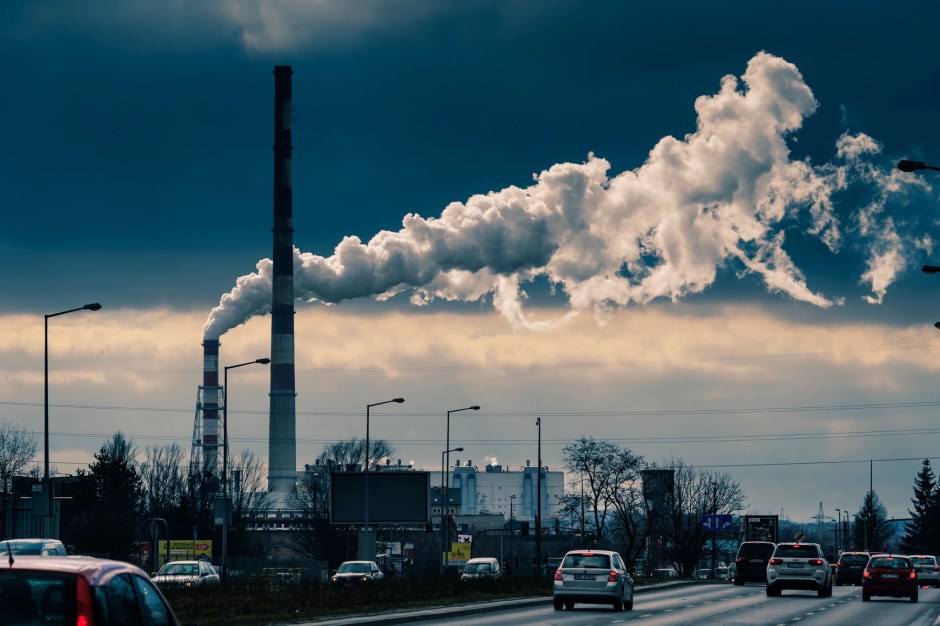
Using information from the Illinois Department of Public Health & Environmental Protection Agency, a study presented by Tirth Patel, MD, of Rush University Medical Center in Chicago and his colleagues, has found an association between high ambient air pollution and head and neck (H&N) cancers. Not the best news, especially if you live near highways and high traffic areas.
Patel noted that there was a “2.5 times greater risk of H&N cancers in the people who lived in [areas] where there were higher levels of diesel particulate matter — particularly oral and pharyngeal cancer.” He speculated that, although there are other factors involved, it’s likely that those pollutants cause changes that transform normal cells into cancerous ones.
How did they gather the necessary information for this study? Patel and colleagues used data from the 2014-2018 single-state cancer registry and identified cases of oral and pharyngeal cancers by zip codes. Once those zip codes were established, they then used the EPA tool to map where pollutant levels were highest. The main pollutants examined included “ozone, particulate matter of <2.5 micrometers in diameter (PM2.5), and diesel particulate matter.” No statistically significant associations were made between cancers and ozone levels, however, diesel particulate levels seemed to have an impact. (Diesel particulate matters are typically associated with trucking, which means they are greatest in areas near ports, freeways and railways.)
Air pollution has already been linked to asthma and lung cancers, and now we’re seeing a link to oral and pharyngeal cancers as well. Additional research will need to be done to establish a causal link, but this is just another example of how severe air pollution is affecting our world.
Here are just a few tips on how to decrease your footprint, and help clean our air:
- Walk or bike when possible, instead of driving
- Reduce your meat intake (Meat accounts for nearly 60% of all greenhouse gases from food production, and causes twice the pollution of producing plant-based foods)
- Turn off the lights when you leave a room
- Recycle paper, plastic, metals and organic materials- don’t just toss them in the trash
- Plant trees, flowers, and greenery (either at your home, or through a program like Trees, Water & People or One Tree Planted)

Ventura County has a list of 50 things you can do to improve our air quality. You can check them out at: Ventura County Air Pollution Control District
 dose of greens