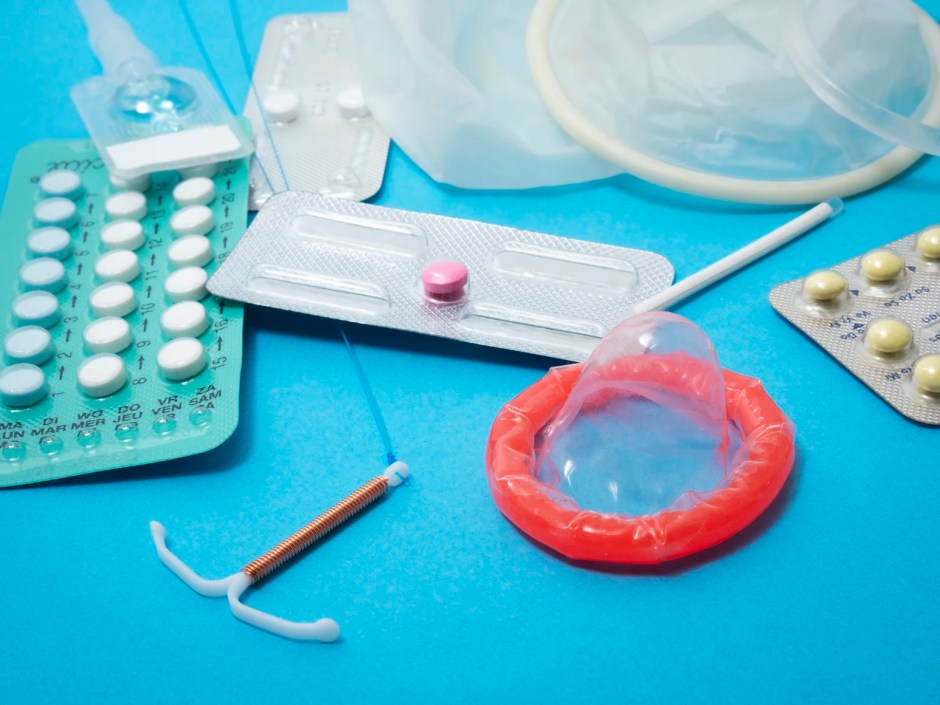
Some STI cases are down, but it’s concerning

If you check out the CDC’s release of data concerning STIs, you’ll notice that cases of chlamydia have been declining- but it might be too soon to celebrate this news. Unlike other STIs, like gonorrhea, which presents with painful, irritating symptoms that prompt people to seek treatment, chlamydia is notorious for causing “silent infections” (aka being asymptomatic), so many people don’t know they have it until they get tested. Concomitantly, general screenings have decreased, especially during the peak of COVID-19, so it poses the question- did cases of chlamydia really decline, or does it just seem like they did because screenings are down, and infections aren’t being detected?

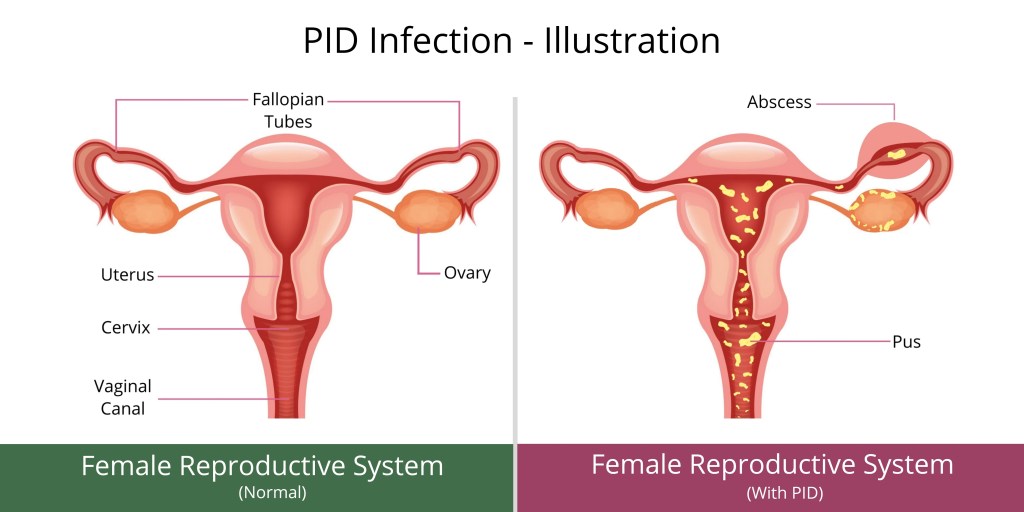
Chlamydia can lead to PID, otherwise known as pelvic inflammatory disease, which poses a huge threat to female fertility since it can lead to infertility. PID can cause many complications, including scar tissue formation which can block the Fallopian tubes, ectopic pregnancies, and chronic pelvic/abdominal pain. Moreover, if a woman is pregnant and has chlamydia, she is at higher risk for preterm delivery, and can spread the infection to her baby during delivery, which can cause the baby to suffer from eye infections or pneumonia. Men seldom have long-term complications from the infection, however, in rare cases it can affect the tubes attached to the testicles, which can result in infertility as well.
It is strongly recommended that sexually active women get tested for chlamydia every year if:

  • Younger than 25 years old.
  • 25 years and older with risk factors, such as new or multiple sex partners, or a sex partner who has a sexually transmitted infection.

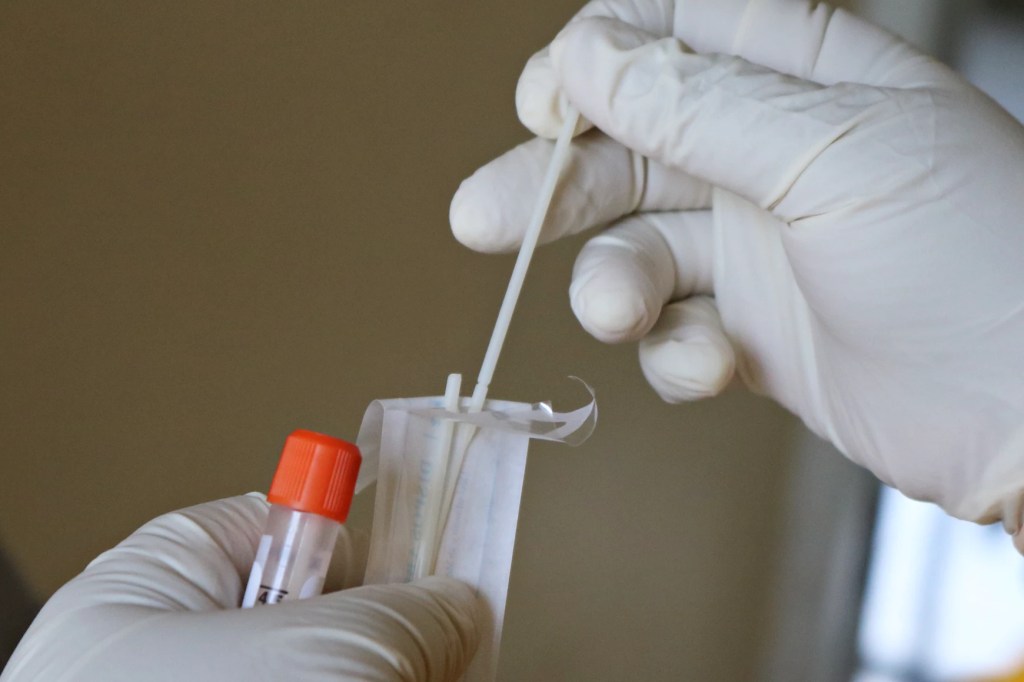
It’s important that routine screening be implemented in primary care practices to ensure the wellbeing of their patients’ reproductive health. One of the beneficial things that resulted from COVID-19 was the availability of testing. Some practices now perform appointments via Telehealth and allow patients to drop off samples, facilitating the whole process. Additionally, at-home rapid tests and test kits have become more common. Today, you can purchase a basic kit that tests for chlamydia, gonorrhea and trichomoniasis. You can even find a test kit on Amazon, like LetsGetChecked or Everlywell for example. and get it delivered the next day. There are several tests, even ones that can be tailored to your gender, or specific concerns. It’s important to note that the best place to get tested is a clinic, because not all kits may be FDA approved.

The take home message is this: even if patients are asymptomatic now, some STIs can have long-term fertility consequences, and it’s essential you stay up to date on your check-ups and screenings.


Study finds air pollution may put some people at a higher risk for head & neck cancer

Using information from the Illinois Department of Public Health & Environmental Protection Agency, a study presented by Tirth Patel, MD, of Rush University Medical Center in Chicago and his colleagues, has found an association between high ambient air pollution and head and neck (H&N) cancers. Not the best news, especially if you live near highways and high traffic areas.

Patel noted that there was a “2.5 times greater risk of H&N cancers in the people who lived in [areas] where there were higher levels of diesel particulate matter — particularly oral and pharyngeal cancer.” He speculated that, although there are other factors involved, it’s likely that those pollutants cause changes that transform normal cells into cancerous ones.

How did they gather the necessary information for this study? Patel and colleagues used data from the 2014-2018 single-state cancer registry and identified cases of oral and pharyngeal cancers by zip codes. Once those zip codes were established, they then used the EPA tool to map where pollutant levels were highest. The main pollutants examined included “ozone, particulate matter of <2.5 micrometers in diameter (PM2.5), and diesel particulate matter.” No statistically significant associations were made between cancers and ozone levels, however, diesel particulate levels seemed to have an impact. (Diesel particulate matters are typically associated with trucking, which means they are greatest in areas near ports, freeways and railways.)

Air pollution has already been linked to asthma and lung cancers, and now we’re seeing a link to oral and pharyngeal cancers as well. Additional research will need to be done to establish a causal link, but this is just another example of how severe air pollution is affecting our world.

Here are just a few tips on how to decrease your footprint, and help clean our air:

  • Walk or bike when possible, instead of driving
  • Reduce your meat intake (Meat accounts for nearly 60% of all greenhouse gases from food production, and causes twice the pollution of producing plant-based foods)
  • Turn off the lights when you leave a room
  • Recycle paper, plastic, metals and organic materials- don’t just toss them in the trash
  • Plant trees, flowers, and greenery (either at your home, or through a program like Trees, Water & People or One Tree Planted)

Ventura County has a list of 50 things you can do to improve our air quality. You can check them out at: Ventura County Air Pollution Control District

6 natural remedies for your seasonal allergies

Beautiful flowers have begun to bloom, pollen has started to circulate, and seasonal allergies are thriving. These type of allergies (aka hay fever or allergic rhinitis) can make people feel pretty miserable especially during spring and summer seasons.

If you’re wondering how allergens work- here are the cliff notes: allergens (like pollen, mold, ragweed or grass) float through the air and reach your nose, where the mast cells lining your nose mistake them for foreign, dangerous invaders. The cells release signals (chemicals/hormones) such as histamine, which round up even more immune cells to the battle. These chemicals also trigger those bothersome symptoms- most commonly:

  • Runny nose or nasal congestion
  • Watery, itchy and/or red eyes
  • Excess mucus production
  • Sneezing
  • Itchy nose, throat, or roof of mouth
  • Tickle in ears
  • Postnasal drip
  • Fatigue
  • Swollen, dark circles under eyes (aka allergic shiners)

So, how do you treat seasonal allergies? Many providers recommend OTC antihistamines or nasal sprays- but the tricky part is that they work best when you use them before the onset of your symptoms. In other words, you should be taking them in advance of anticipated symptoms. This means that you have to be aware of your triggers (e.g., specific allergens, seasonal timing, etc).

Some people don’t love the idea of taking meds that frequently, so it’s very much worth noting that there are also some natural remedies you can try as well. The best prevention is knowing your triggers and avoiding your allergens as best as you can, like tracking pollen counts and limiting outdoor time on those days, or even masking when you have to go outside on dusty/windy days. But here are 6 other safe, natural remedies you can try:

  1. Nasal saline sinus rinse in the morning and night.
    Nasal irrigation helps wash out mucus and lingering allergens that may be continuing to wreak havoc. Add the rinse to your daily routine. You can pair it with brushing your teeth so it’s easier to remember. Also- ensure that you use a saline solution (this rinse set comes with premixed packets), and that the water you use is distilled and sterile (use bottled drinking water or boil your tap water and wait until it cools).
  2. Shower every night before bed.
    You collect pollen and dust on your clothes, skin and hair throughout the day. Sometimes, they can make your symptoms worse, so it’s best to wash them out as best as you can.
  3. Local raw honey
    This is somewhat of an ancient remedy, that makes sense. Thanks to hardworking bees that go from flower to flower, collecting pollen, local raw honey helps build your tolerance to that same pollen that’s firing up your allergies. You can incorporate 1-2 teaspoons of honey a day into your diet- you can add it to your tea, smoothies, cereals, or even just ingest it solo.
  4. Spirulina
    It’s been documented that spirulina can help with inflammatory reactions, like allergies. This study found that spirulina is clinically effective on allergic rhinitis when compared with a placebo. It was found to decrease symptoms like nasal discharge, sneezing and itching. You can add 1 scoop of powder per day to your daily routine.
  5. Probiotics
    We know by now that a healthy immune system is correlated with a healthy gut. Fun fact: a huge portion of your immune system is actually stored in your gastrointestinal tract. So, introducing more “good” bacteria to your gut (via probiotics) can help defend your system. If you aren’t sure where to start, you can try this probiotic.
  6. Invest in air filters for your home
    You may not be able to eliminate all allergens in your home, but purchasing an air purifier can help improve your air quality. Aim for a portable high-efficiency particulate air (HEPA) filter. They can run pretty pricey, but the Levoit air purifier seems to be on the more affordable side.

The biggest takeaway is this: to control allergies, you have to get a hold of the histamine release. For many, these remedies and antihistamines are enough to do the trick. However, if you notice your allergies continue to be severe, it may be worth having allergy testing done to identify your triggers and find better treatments. Allergen immunotherapy (essentially allergen desensitization) can also be a good option, so it’s something worth bringing up to your provider.

Is it allergies, a cold, or COVID-19?

One of the things I picked up on, while working at a COVID-19 clinic, was that many people weren’t sure of their symptoms and what they meant. During early covid, it was pretty common to lose your taste and smell, but as newer variants developed, covid began to look a lot more like allergies or your typical upper respiratory infection (URI). With that said, it’s important to keep in mind that there are still many individuals that can react to a covid infection much more severely, and we still don’t know the significance of long-term covid effects, so it is important to continue taking the appropriate precautions (wearing a mask, proper hand hygiene, avoiding poorly ventilated or overcrowded spaces, and getting vaccinated).

If you start feeling symptoms, it’s important to first take a COVID-19 test (the government has supplied 2 sets of 4 free at-home tests, so if you haven’t received yours yet, make sure to click here to order them).

If you test positive: isolate for 5 days, and if your symptoms have resolved or improved by then, you can end isolation, but make sure to mask for an additional 5 days after. If your symptoms remain moderate on day 5, isolate up to 10 days. Of course, if you notice severe symptoms, such as shortness of breath, chest pain, or a blue tint to your skin or lips- those are indications that you should visit the ER.

If you test negative, your symptoms could indicate you have a cold, likely caused by a different virus, or allergies. Here is how to tell the difference:

Typical allergy symptoms:

  • Sneezing
  • Itchy and/or watery eyes
  • Runny nose or nasal congestion
  • No fever, no other cold-like symptoms
  • Develops after exposure to allergen

Typical cold symptoms:

  • Sore throat
  • Cough
  • Nasal congestion or other nasal discomfort
  • Mild fever or chills
  • Develops a few days after exposure to infection

And here are some tips on how to find some symptom relief:

For allergies:

For colds:

  • Plenty of fluids
  • Rest
  • Adequate sleep
  • OTC cold medications or decongestants (e.g., DayQuil, NyQuil, Robitussin, Mucinex)
  • 1-2 teaspoons of honey 3 times a day (a natural cough suppressant)
  • Warm salt water gargles 4-5 times a day for sore throat
  • A saline nasal rinse or Neti Pot can help here as well

This is just a quick cheat sheet to help determine what you might be battling. If you notice that your symptoms persist for more than 14 days, you could have a bacterial infection, so make sure to reach out to your doctor to receive the appropriate treatment and antibiotics.