

Beautiful flowers have begun to bloom, pollen has started to circulate, and seasonal allergies are thriving. These type of allergies (aka hay fever or allergic rhinitis) can make people feel pretty miserable especially during spring and summer seasons.
If you’re wondering how allergens work- here are the cliff notes: allergens (like pollen, mold, ragweed or grass) float through the air and reach your nose, where the mast cells lining your nose mistake them for foreign, dangerous invaders. The cells release signals (chemicals/hormones) such as histamine, which round up even more immune cells to the battle. These chemicals also trigger those bothersome symptoms- most commonly:
- Runny nose or nasal congestion
- Watery, itchy and/or red eyes
- Excess mucus production
- Sneezing
- Itchy nose, throat, or roof of mouth
- Tickle in ears
- Postnasal drip
- Fatigue
- Swollen, dark circles under eyes (aka allergic shiners)
So, how do you treat seasonal allergies? Many providers recommend OTC antihistamines or nasal sprays- but the tricky part is that they work best when you use them before the onset of your symptoms. In other words, you should be taking them in advance of anticipated symptoms. This means that you have to be aware of your triggers (e.g., specific allergens, seasonal timing, etc).

Some people don’t love the idea of taking meds that frequently, so it’s very much worth noting that there are also some natural remedies you can try as well. The best prevention is knowing your triggers and avoiding your allergens as best as you can, like tracking pollen counts and limiting outdoor time on those days, or even masking when you have to go outside on dusty/windy days. But here are 6 other safe, natural remedies you can try:
- Nasal saline sinus rinse in the morning and night.
Nasal irrigation helps wash out mucus and lingering allergens that may be continuing to wreak havoc. Add the rinse to your daily routine. You can pair it with brushing your teeth so it’s easier to remember. Also- ensure that you use a saline solution (this rinse set comes with premixed packets), and that the water you use is distilled and sterile (use bottled drinking water or boil your tap water and wait until it cools). - Shower every night before bed.
You collect pollen and dust on your clothes, skin and hair throughout the day. Sometimes, they can make your symptoms worse, so it’s best to wash them out as best as you can. - Local raw honey
This is somewhat of an ancient remedy, that makes sense. Thanks to hardworking bees that go from flower to flower, collecting pollen, local raw honey helps build your tolerance to that same pollen that’s firing up your allergies. You can incorporate 1-2 teaspoons of honey a day into your diet- you can add it to your tea, smoothies, cereals, or even just ingest it solo. - Spirulina
It’s been documented that spirulina can help with inflammatory reactions, like allergies. This study found that spirulina is clinically effective on allergic rhinitis when compared with a placebo. It was found to decrease symptoms like nasal discharge, sneezing and itching. You can add 1 scoop of powder per day to your daily routine. - Probiotics
We know by now that a healthy immune system is correlated with a healthy gut. Fun fact: a huge portion of your immune system is actually stored in your gastrointestinal tract. So, introducing more “good” bacteria to your gut (via probiotics) can help defend your system. If you aren’t sure where to start, you can try this probiotic. - Invest in air filters for your home
You may not be able to eliminate all allergens in your home, but purchasing an air purifier can help improve your air quality. Aim for a portable high-efficiency particulate air (HEPA) filter. They can run pretty pricey, but the Levoit air purifier seems to be on the more affordable side.
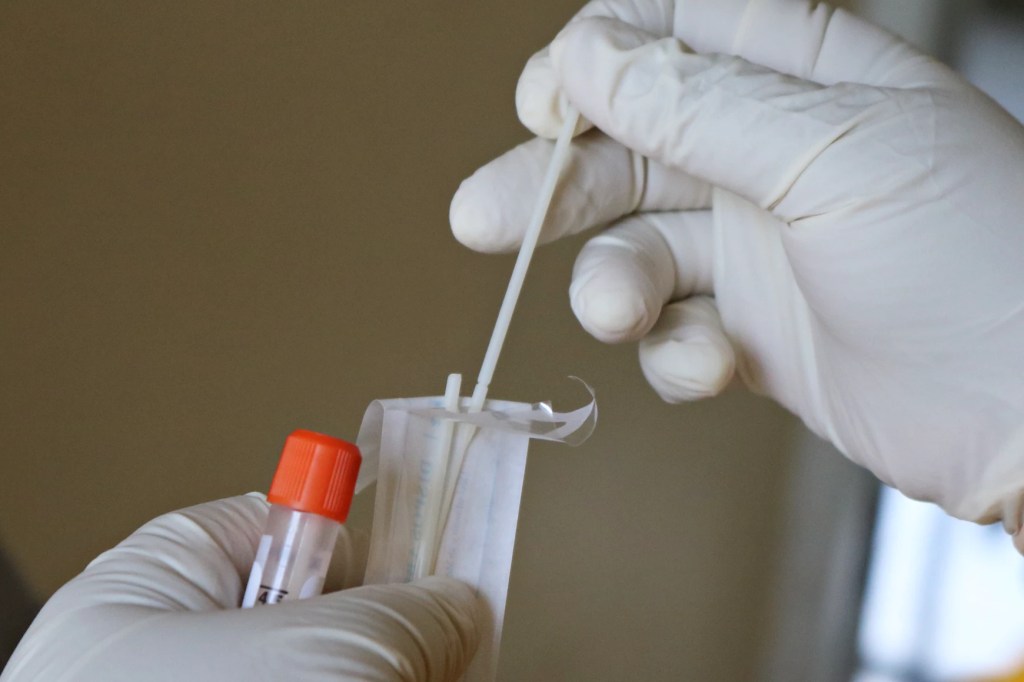
The biggest takeaway is this: to control allergies, you have to get a hold of the histamine release. For many, these remedies and antihistamines are enough to do the trick. However, if you notice your allergies continue to be severe, it may be worth having allergy testing done to identify your triggers and find better treatments. Allergen immunotherapy (essentially allergen desensitization) can also be a good option, so it’s something worth bringing up to your provider.


 dose of greens