
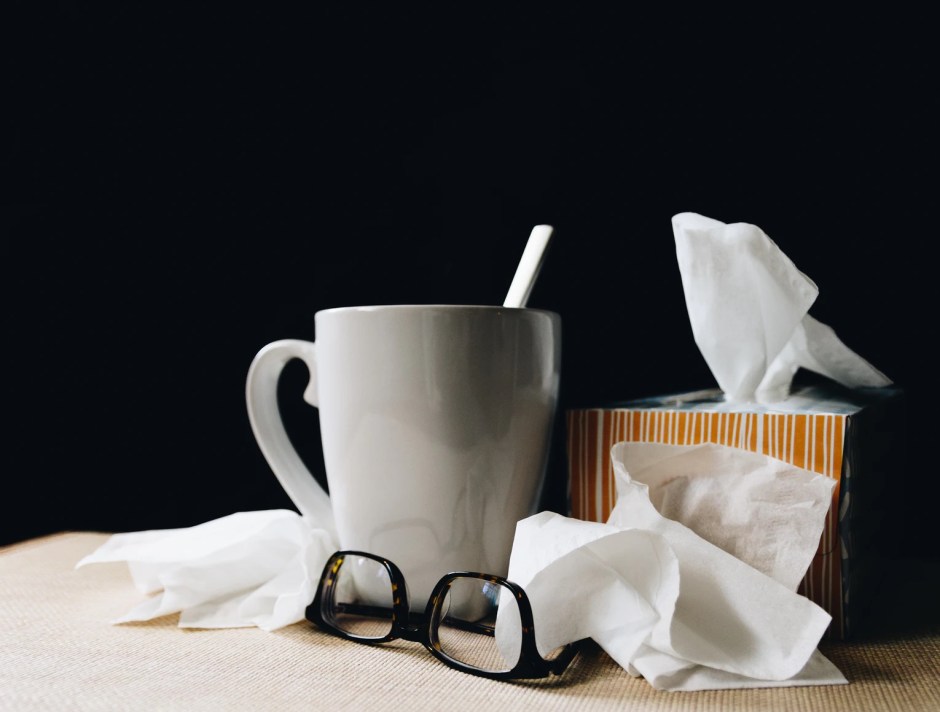
One of the things I picked up on, while working at a COVID-19 clinic, was that many people weren’t sure of their symptoms and what they meant. During early covid, it was pretty common to lose your taste and smell, but as newer variants developed, covid began to look a lot more like allergies or your typical upper respiratory infection (URI). With that said, it’s important to keep in mind that there are still many individuals that can react to a covid infection much more severely, and we still don’t know the significance of long-term covid effects, so it is important to continue taking the appropriate precautions (wearing a mask, proper hand hygiene, avoiding poorly ventilated or overcrowded spaces, and getting vaccinated).
If you start feeling symptoms, it’s important to first take a COVID-19 test (the government has supplied 2 sets of 4 free at-home tests, so if you haven’t received yours yet, make sure to click here to order them).
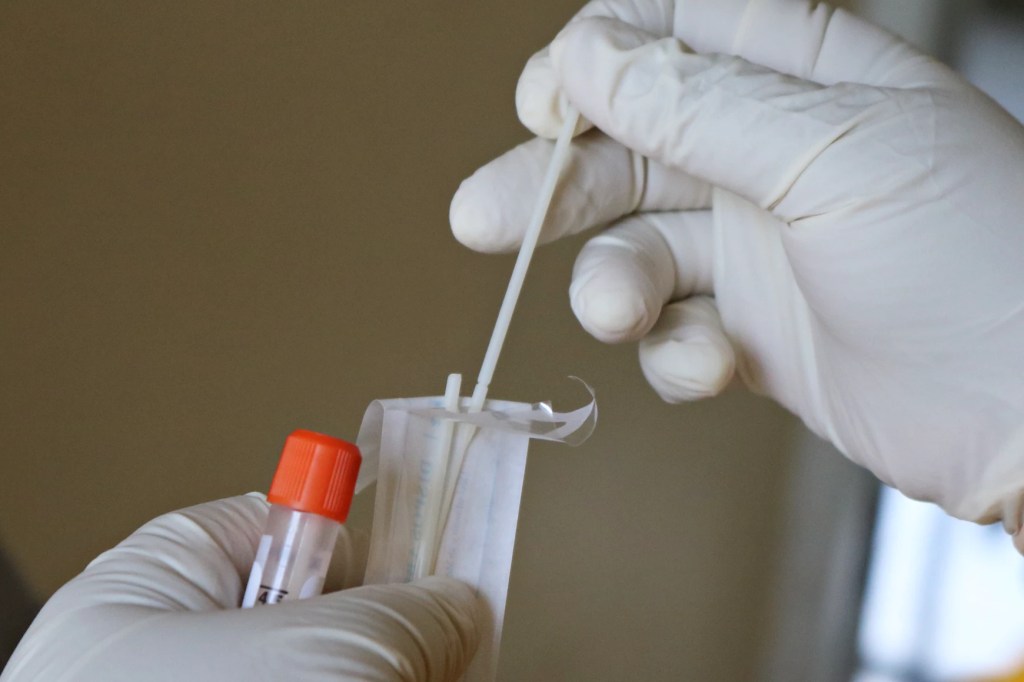
If you test positive: isolate for 5 days, and if your symptoms have resolved or improved by then, you can end isolation, but make sure to mask for an additional 5 days after. If your symptoms remain moderate on day 5, isolate up to 10 days. Of course, if you notice severe symptoms, such as shortness of breath, chest pain, or a blue tint to your skin or lips- those are indications that you should visit the ER.
If you test negative, your symptoms could indicate you have a cold, likely caused by a different virus, or allergies. Here is how to tell the difference:
Typical allergy symptoms:
- Sneezing
- Itchy and/or watery eyes
- Runny nose or nasal congestion
- No fever, no other cold-like symptoms
- Develops after exposure to allergen
Typical cold symptoms:
- Sore throat
- Cough
- Nasal congestion or other nasal discomfort
- Mild fever or chills
- Develops a few days after exposure to infection
And here are some tips on how to find some symptom relief:

For allergies:
- OTC antihistamines (e.g., Claritin, Allegra, Benadryl)
- OTC decongestants
- OTC nasal sprays
- Saline nasal rinse or Neti Pot
For colds:
- Plenty of fluids
- Rest
- Adequate sleep
- OTC cold medications or decongestants (e.g., DayQuil, NyQuil, Robitussin, Mucinex)
- 1-2 teaspoons of honey 3 times a day (a natural cough suppressant)
- Warm salt water gargles 4-5 times a day for sore throat
- A saline nasal rinse or Neti Pot can help here as well
This is just a quick cheat sheet to help determine what you might be battling. If you notice that your symptoms persist for more than 14 days, you could have a bacterial infection, so make sure to reach out to your doctor to receive the appropriate treatment and antibiotics.
 dose of greens
Thanks for the info! So hard to tell these days what symptoms can be when they’re all so similar, and this really helps narrow it down.
LikeLike
Thank you for the feedback! Stay healthy!
LikeLike